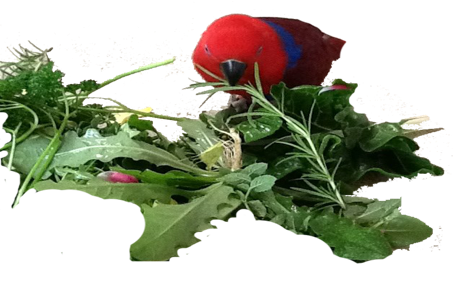
Ruby eating a mixture of herbs and flowers

Types of cinnamon
Herbs and Teas
Other herbs to offer
Alfalfa is rich in calcium, magnesium, potassium, carotene and other minerals and vitamins. It detoxifies the liver and has an anti fungal agent. It stimulates the appetite. The un sprouted seeds are said to be toxic.
Aloe Vera treats wounds, burns, cuts, bites. Prevents infections and acts as a pain killer. Some feather pickers are treated successfully with water and aloe gel mixture. The aloe vera plant is on the toxic plant list because there is one part of the plant that is said to be toxic. This is the yellow sap between the skin and the gel. Simply rubbing off the yellow sap is all you need to do. The yellow sap is more noticeable in older aloe stems. There are also some parrot owners who swear by giving parrots the whole stem and it has done no harm at all.
Cayenne chillies have large amounts of vitamin A, B-complex, C, calcium, phosphorous, iron. It's a great digestive aid, anti inflammatory and helps with arthritis.
Chamomile is loaded with calcium, it acts as a calmer when offered to parrots as a mild tea. Soothes the nerves and digestive tract. And a calmative for the traveling parrot.
Cinnamon Has a mild anti-fungal effect for Candida and other types of yeast and aspergillus. Mild anti-bacterial effect against strep and staph bacteria.
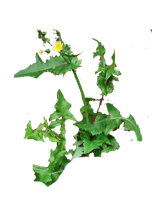
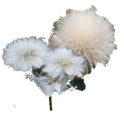
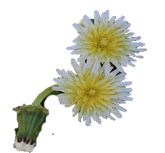
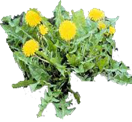
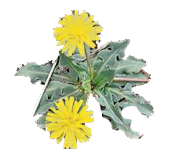
Dandelion (super food) has lots of vitamins A, B1, C and blood purifying substances. It can prevent arthritic conditions.
Echinacea Has an ingredient in it that stimulates immune responses. May speed recovery in some cases of poxvirus and in debilitated birds. Has anti-bacterial properties
Eyebright Protects and maintains the health of parrots eyes. A strong tea made out of eyebright is excellent as a wash for your parrots eyes as well as any other animal.
Teas
Herbs To Avoid
Aconite, Borage, Calamus, Chapparal, Colstfoot, Comfrey, Deadly nightshade, Epheda or Mia Huang, Foxglove, Germander, Juniper berry (not toxic in tiny doses. Repeated doses cause convolutions & kidney failure) Liquorice, Ma Huang, Life Root, Lobelia, Pennyroyal, Pokeroot, Sassafrass, Yohimbe, Wormwood

Fennel reduces inflammation and helps prevent the occurrence of cancer. The high amount of vitamin C in the bulbs is antimicrobial and helps the immune system to function proper.
Garlic has many anti fungal, anti viral, anti bacterial substances. A natural antibiotic that is safe for parrots in small doses. I offer my parrots a thin slice every couple of weeks It's said to stimulate immune systems, kills parasites, aids in eliminating lead & other toxins from the body.
Ginger Root A mix of ginger tea is said to be great for colic or throwing up in baby parrots. Ginger tea (2 thin slices of fresh ginger in boiled water) is also great for traveling birds with motion sickness. I add thin slices of ginger to their sprout mixes every morning. I don't have a parrot in my house that doesn't like ginger! Leaves and stems can also be eaten.
Kava Kava from the pepper family has sedative and tranquillising effects. It has also been known to be useful for feather plucking and hyperactive parrots. The herb should be used sparingly as it is quite strong.
Lemongrass has similar properties to citronella and same repellant effects on insects. It can be crushed and rubbed directly onto branches, cage bars, anything where the bird is going to be. Eaten, it is anti fungal, anti infection. It's good for kidney disorders and regenerates connective tissue. It also stimulates your birds.
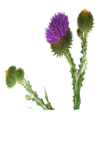
Milk Thistle (super food) Seeds have a flavonoid that is effective for liver disorders and is the number one treatment for all liver conditions. Milk Thistle has no known side effects.
Passion Flower acts as a sedative for parrots. It is also recommended for parrots that feather pluck or parrots that have a compulsive behaviour as or are too hyperactive.
Taheebo has anti-fungal properties effective against candida and intestinal parasites in parrots.
Kelp and other seaweeds such as Wakame, Undaria, Kombu and Nori protect parrots against bacteria known to cause cancer. They posses anti-fungal, anti-viral, and anti-tumor properties. They are powerful for immune responses.
Slippery Elm is used externally for wounds, burns, rashes, abscesses, boils, or insect bites, internally for the lungs, coughing, vomiting.
Valerian is used as a sedative and pain reliever, since it is strong it should only be used under the advise of professionals.
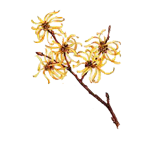
Witch Hazel can be topical a spray, it can relieve itching as well as has healing properties. Can be used as an alternative to aloe vera spray. Made up witch hazel usually is preserved with alcohol so avoid contact with the face area and avoid the parrot inhalating the spray.
Anise, Basil flowers, Dill, Milk Thistle - leaf & flower, Mint, Parsley, Bay leaf Chick weed, Coriander (cilantro), Oregano, Thyme, Turmeric Shepherds Purse, Sage and flowers, Sorrel, Lavender
Types of Dandelion
Types of Thistle


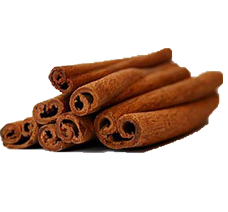
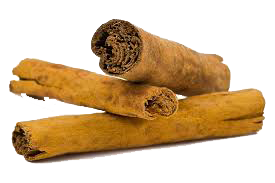
Ceylon (true cinnamon)
Cassia
Decaffeinated teas are recommended for parrots

